
The 3 most beautiful panoramic views of Amboise

The 3 most beautiful panoramic views of Amboise
The landscapes of the Loire Valley have been listed as a UNESCO World Heritage Site since November 30, 2000. UNESCO thus recognized the exceptional interaction between the heritage created by humans over the centuries—foremost among which are the châteaux—and the natural environment, particularly the Loire River. In Amboise, more than anywhere else in the Loire Valley, these landscapes bear witness to an extraordinary harmony between human architecture and the shaping influence of the “Royal River.” Get your camera ready: the Tourist Office invites you to admire the three most beautiful panoramic views in Amboise.
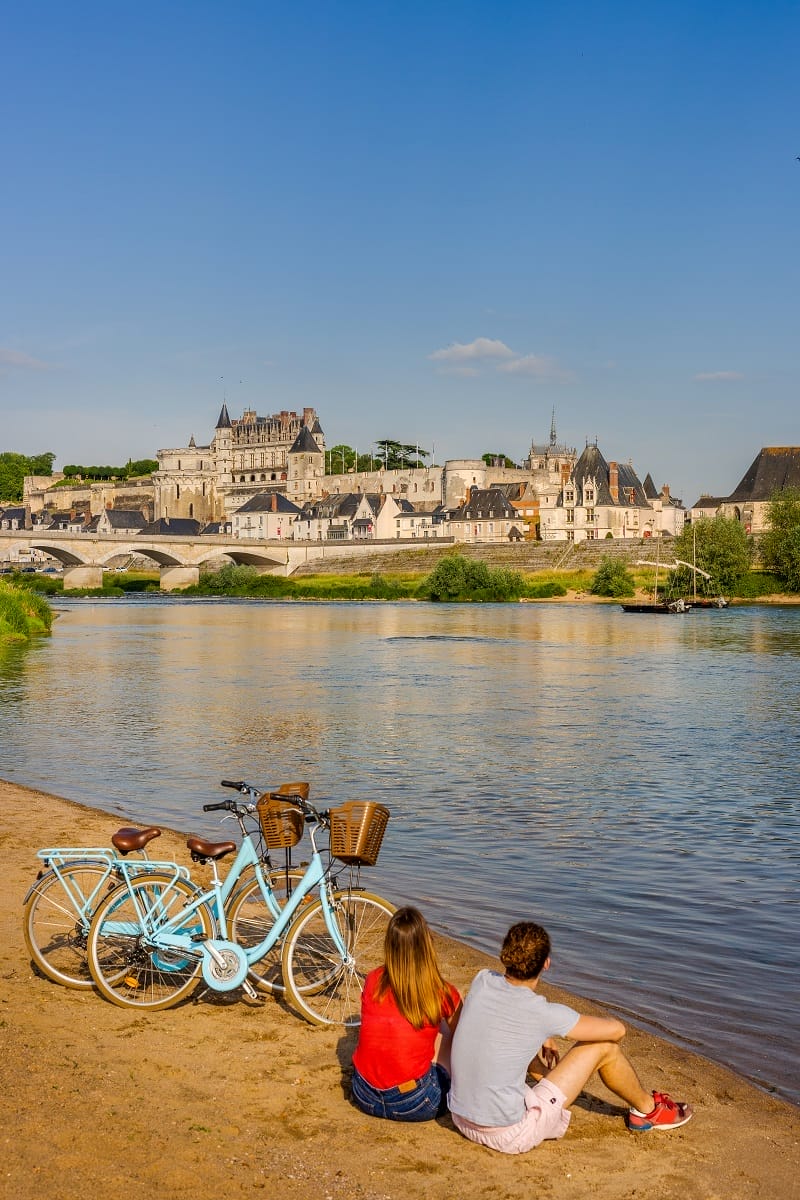
Panoramic view of Amboise from Nazelles Beach
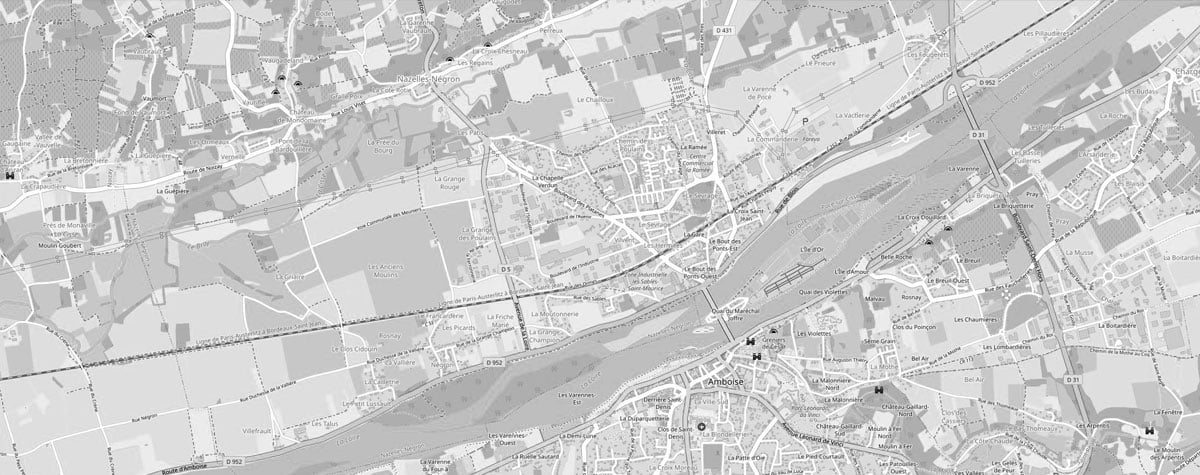
From the Tourist Office, cross the Maréchal Leclerc Bridge and turn left at the far end. Follow the Loire for about 1 km until you reach the car park on your right; take care when crossing the road, then enjoy the view! The landscape stretching out before you is typical of the Loire Valley, a UNESCO World Heritage site. After splitting around the Île d’Or into two separate channels, the Loire resumes its single course, shifting with the changing seasons. In summer, a vast sandy beach appears—perfect for a stroll or an evening picnic—while in late winter, regular floods raise the water level right up to the base of the levee.
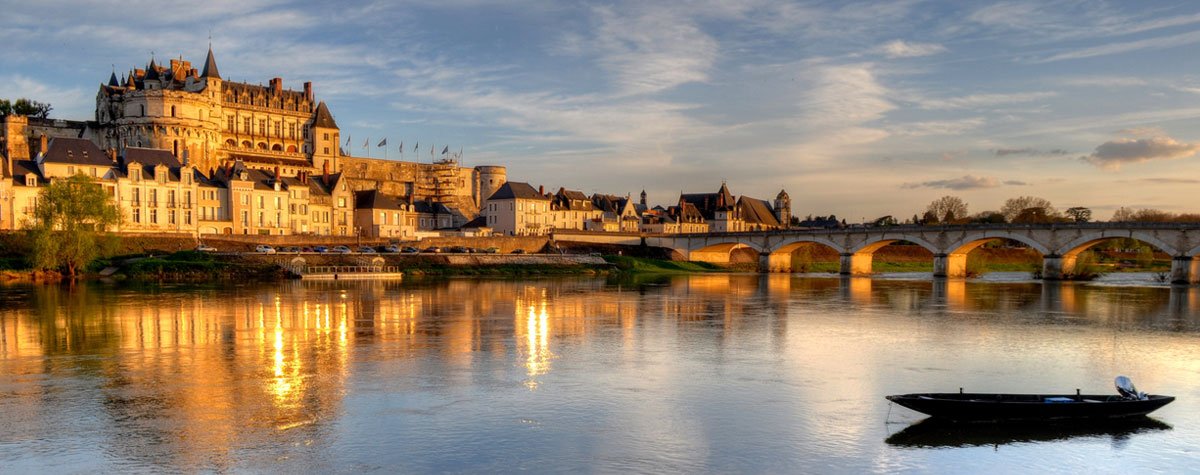
On the opposite bank, the town of Amboise reveals its harmonious architecture. The majestic silhouette of the Royal Château of Amboise stands out clearly above the rooftops, particularly the Gothic spire of the Chapel of Saint-Hubert, the final resting place of Leonardo da Vinci. Below, Renaissance facades shape the town center’s landscape. You can spot the Hôtel Morin—once the home of the King’s financier—and the Church of Saint-Florentin, built in the late 15th century. The tip of the Clock Tower rises above the roofs, marking the heart of the town and inviting you to wander the narrow streets of the Loire Valley’s most beautiful town!
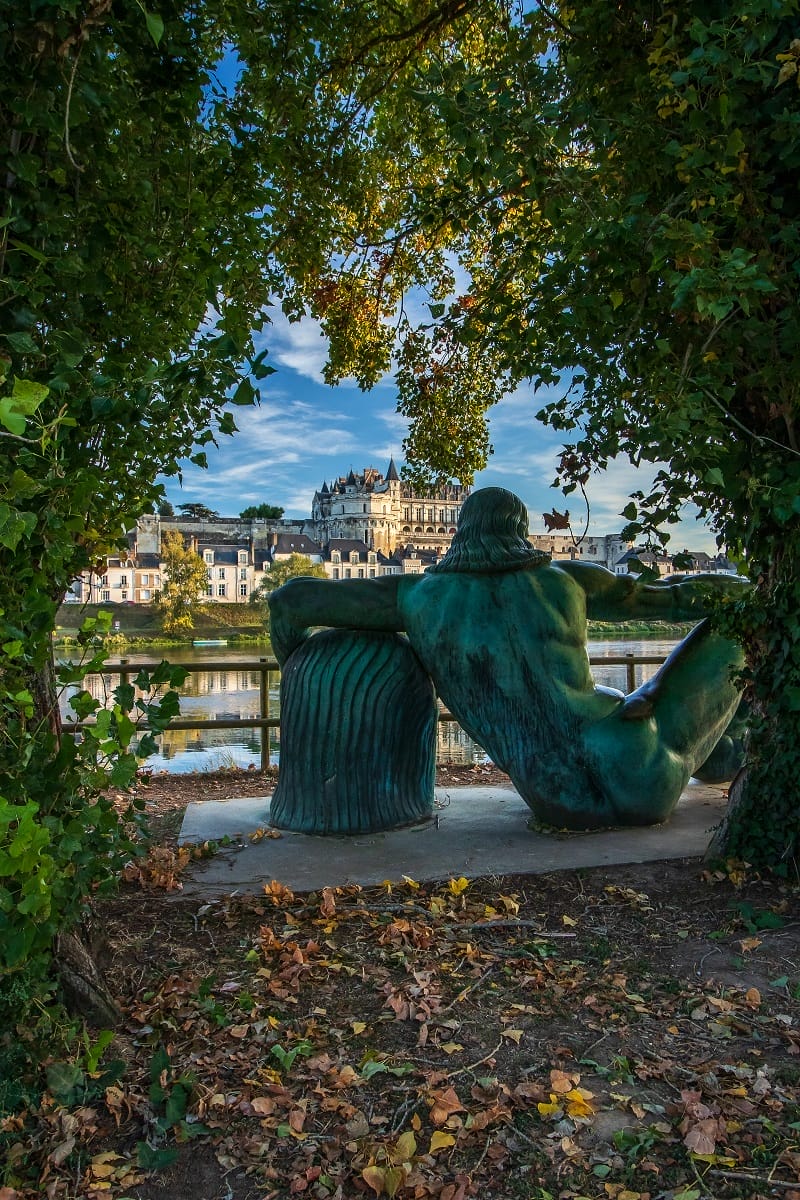
Panoramic view of the Royal Château of Amboise from the Île d’Or
From the Tourist Office, step onto the bridge but do not cross it entirely. Halfway across, turn right towards the campsite. Below the campsite reception stands a statue shaded by tall trees. The face is instantly recognizable as that of Leonardo da Vinci, depicted in the guise of a mythological hero. Reclining on the banks of the Loire, he gazes at the imposing Royal Château of Amboise. You can make out the rocky outcrop upon which the monument is built, as well as the top of the Tour des Minimes—a ramped tower that allowed horses and carriages to access the château’s terraces.
Here, the waters of the Loire pick up speed as they approach the bridge; indeed, it is not uncommon to see canoes navigating their way past the structure. The panorama is at its most magnificent at dusk. As the sun begins its descent in the west, its final rays make the tufa stone glow brilliantly, bathing the town in a warm, low-angled light. The highlight comes after dark, when the walls of the Royal Château of Amboise light up in a display of color—a wondrous spectacle set against a backdrop of pure, contemplative serenity.
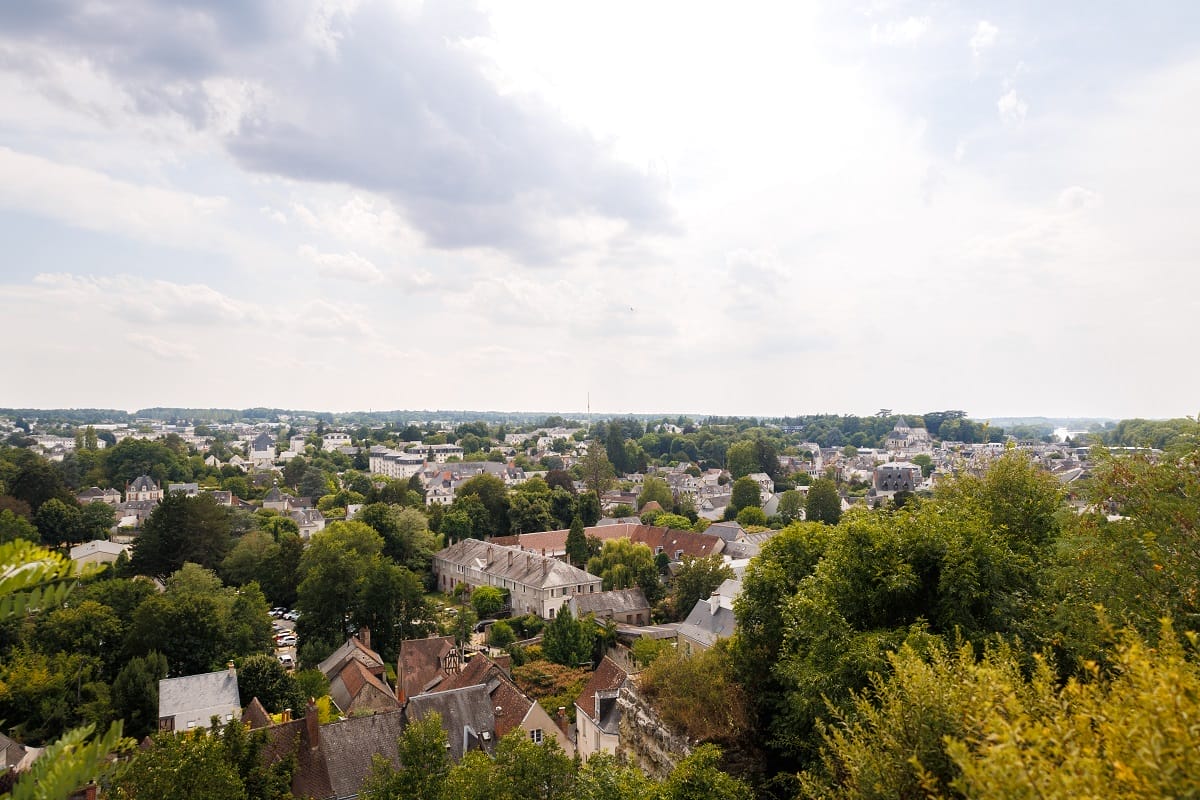
Panoramic view of the town of Amboise from the Châteliers Plateau
From the Tourist Office, walk along the Quai du Général de Gaulle to Place Michel Debré (at the foot of the Royal Château). Continue along Rue Victor Hugo until you reach a flight of steps on the left, about 200 meters ahead. Climb the steps to reach the Plateau des Châteliers. You are now on the heights of Amboise, right up against the ramparts of the Royal Château. The Porte des Lions (Lions’ Gate), which pierces the rampart, was historically the main entrance. It was also on this promontory that Ambacia—a city founded by the Turones people over two millennia ago—was established. Indeed, the remains of a Gallic rampart are visible just a short distance away.
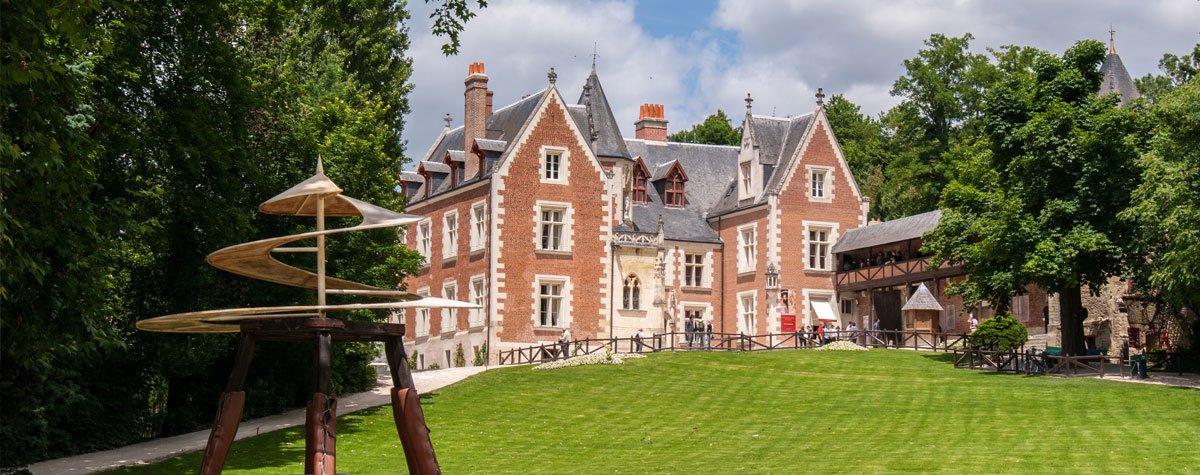
An orientation table allows you to take in the full extent of the panorama. To the left, you can make out the red brick walls of the Château du Clos Lucé, the final home of Leonardo da Vinci. To the right, the Loire River stretches out towards the west. Below, the historic heart of Amboise spreads out its narrow streets. The bell tower of the Church of Saint Florentin and the Clock Tower are two recognizable landmarks of the old town. On the horizon, at the edge of the forest, rises the spire of the Pagoda of Chanteloup—a curious 18th-century *chinoiserie* and a remnant of the Duke of Choiseul’s estate. More than any other, this viewpoint unfolds like an open book, revealing the history of Amboise and its most magnificent monuments.
Amboise is a town of many faces. Each of these three panoramic views illustrates that diversity of landscapes. Its majestic heritage blends beautifully with the natural contours carved by the Loire, creating an architectural spectacle few towns can boast. Short hiking loops allow you to appreciate its full magnificence at your own pace. Feel free to download them from our website to explore at your leisure.